Proof marketing
Landscaping Marketing Ideas for Year-Round Local Demand
Turn seasonal landscaping work into a year-round project library with better photography, service-specific proof, maintenance content, and local follow-up.
Quick answer
The best landscaping marketing follows the life of the property: document the site before work, explain design and water decisions, publish the installation, return for a mature follow-up, and reuse that story across search, proposals, email, and seasonal campaigns.
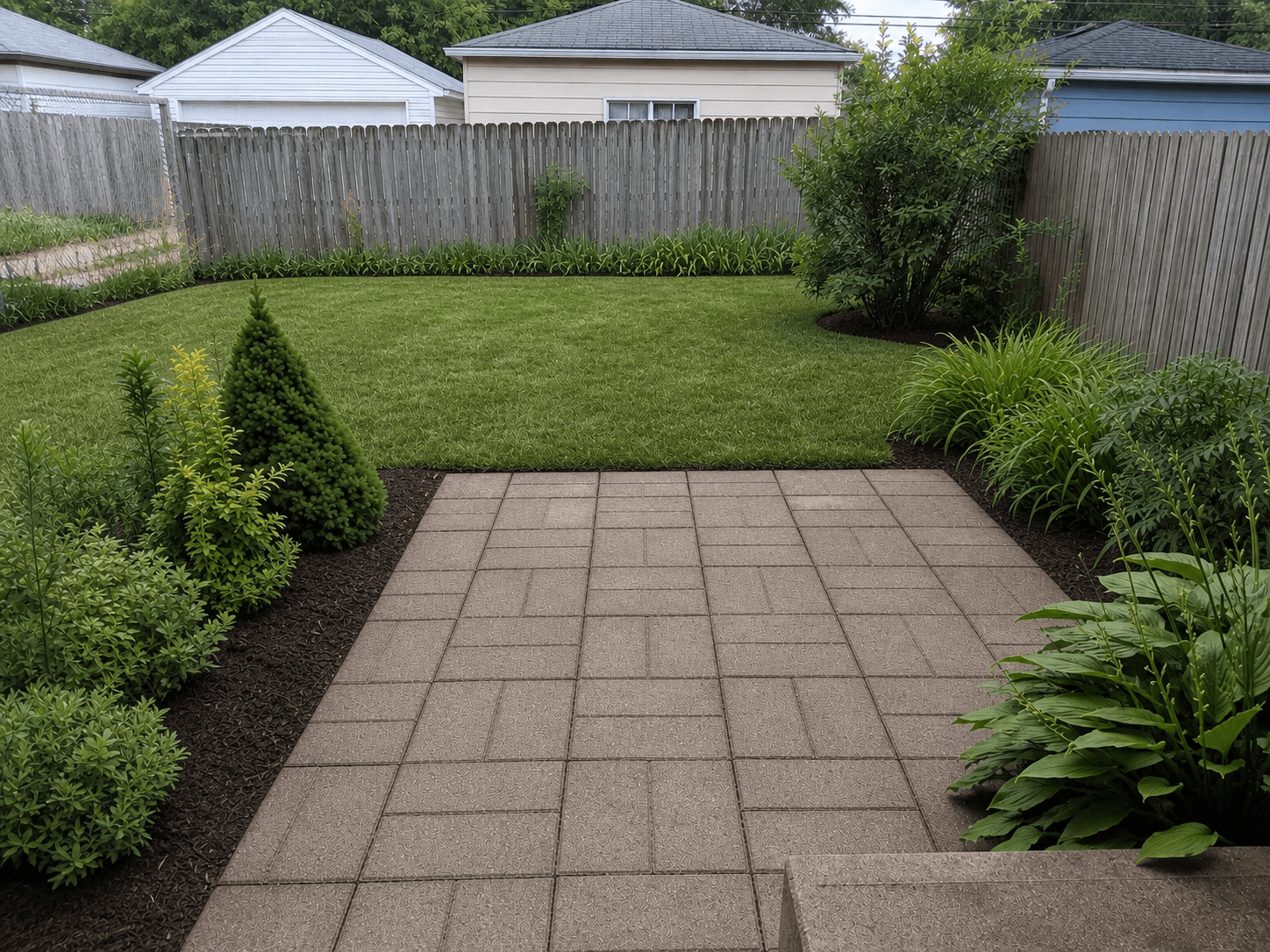
Show the landscape over time
Landscaping proof becomes stronger when customers can see not only installation day, but how the space functions and matures.
A clean final photo is useful. A story showing drainage, grading, plant selection, construction, first use, and seasonal growth is much more persuasive. Landscapes change, so your marketing system should revisit them.
Build projects around the homeowner’s goal
Organize work by what the customer wanted to achieve:
Explain the site conditions and constraints. A beautiful image without the “why” can make professional work look like decoration instead of problem-solving.
- replace an unused lawn with a lower-water landscape
- create shade and usable seating
- correct drainage near the foundation
- rebuild an unsafe retaining wall
- add privacy without closing in the yard
- improve curb appeal before a sale
- simplify seasonal maintenance
Capture a four-stage photo set
Take consistent images at:
1. original condition 2. site preparation or construction 3. clean installation 4. established landscape after an appropriate period
Match at least one camera position. Add detail shots of grading, edges, drainage, irrigation, joints, lighting, and plant spacing.
Get permission before returning to photograph, and avoid publishing identifiable home or family details unnecessarily.
Explain water decisions carefully
EPA WaterSense guidance emphasizes grouping plants by water needs, watering based on plant needs, and using water-efficient practices and equipment. When these principles apply, explain how your design responds to local conditions.
Do not promise a fixed percentage of water savings unless you have a defensible measurement. Instead, describe the choices: hydrozones, soil preparation, mulch, efficient irrigation components, or reduced irrigated turf.
Publish seasonal content before demand peaks
Create helpful pages several weeks before the customer needs the service:
Tie the guidance to your climate and services. Avoid publishing generic national advice that ignores local weather, soil, or restrictions.
- spring cleanup preparation
- summer irrigation checks
- fall planting considerations
- winterization checklist
- stormwater and drainage observations
- when to schedule hardscape work
Show maintenance expectations honestly
A “low-maintenance” landscape is not a “no-maintenance” landscape. Explain pruning, watering during establishment, weed control, seasonal cleanup, and replacement assumptions.
Honest expectations build trust and reduce disappointment. They also attract customers who understand the value of ongoing service.
Build a useful local project page
Include the general location, lot or site challenge, customer goal, design approach, major materials or plant strategy, timeline, photo sequence, and result.
Use words customers use, but write naturally. One original project in a real service area is more useful than a group of thin pages that only swap place names.
Use mature-project follow-up
Schedule a check-in after the relevant establishment period. Ask how the space is working, confirm maintenance needs, resolve issues, and request permission for updated photos.
If the customer is satisfied, that check-in is also an appropriate moment to request an honest review or referral without an incentive.
Track services, seasons, and outcomes
Tag leads by service and source. Compare quote requests and won work for patios, planting, drainage, irrigation, and maintenance rather than lumping everything into “landscaping.”
Review the calendar after each season. If drainage content produces qualified spring work, update and distribute it earlier next year.
A repeatable project timeline
At estimate: identify the customer goal and photo permission. At start: capture the site. During work: document one hidden or technical step. At handoff: capture clean final images and care notes. Later: return for mature photos and feedback.
That timeline turns one installation into a durable story customers can understand in every season.
Common questions
Questions this guide answers
What are the best landscaping marketing ideas?+
Detailed local project stories, seasonal guidance, mature follow-up photos, an accurate Google Business Profile, honest reviews, and service-specific estimate follow-up are strong foundations.
How can landscapers market during winter?+
Publish planning guides, design case studies, drainage education, early-booking information, and mature-project follow-ups rather than pretending installation season is unchanged.
What photos should a landscaping company take?+
Capture the original site, construction, clean installation, mature result, and technical details such as grading, drainage, irrigation, lighting, and material transitions.
Should landscapers promise water savings?+
Only make claims you can support. Explain specific water-efficient choices and use official tools or qualified calculations when estimating performance.
How can a landscaping company improve local SEO?+
Keep listings accurate and publish useful, original projects and guidance tied to the real services and areas you serve.
Sources and further reading
Put the guide into practice